The difference between the rotary switch and the
Electronic switches can be seen in all kinds of electrical appliances. With the progress of the times, a new type
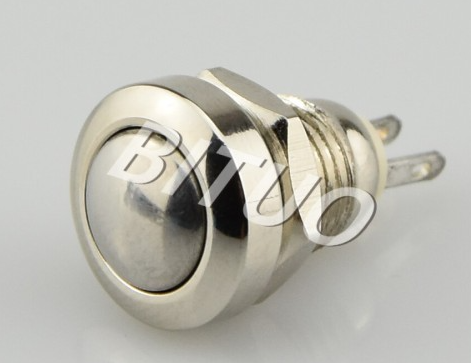
Electronic switches can be seen in all kinds of electrical appliances. With the progress of the times, a new type
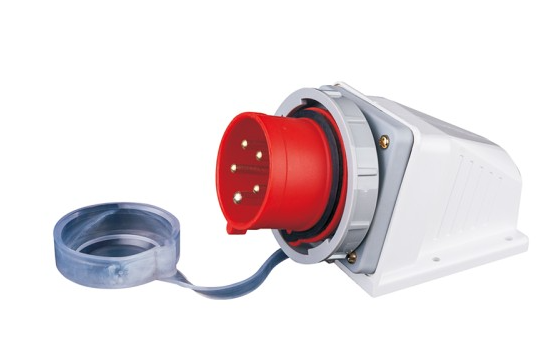
In industrial production, the importance of electrical connections is self-evident. Reliable electrical connection can ensure the smooth progress of the

Recently, Springfield Armory (Springfield Armory) launched the "Echelon" pistol with a caliber of 9×19mm.

Global warming is the result of changes in the earth's climate caused by human activities. "Carbon" refers to oil, coal,

Today let’s talk about the meaning of non-degradable plastics: the key raw materials of non-degradable plastic bags are polyethylene and
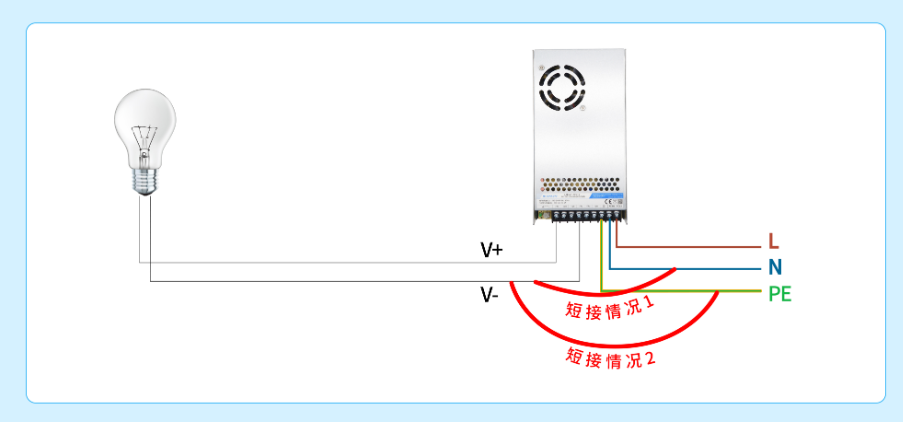
This article briefly describes the abnormal output problem in the common problems of switching power supply applications, and briefly analyzes
Industrial relays serve as critical components in various automation systems, enabling efficient and safe control of industrial processes. As industries
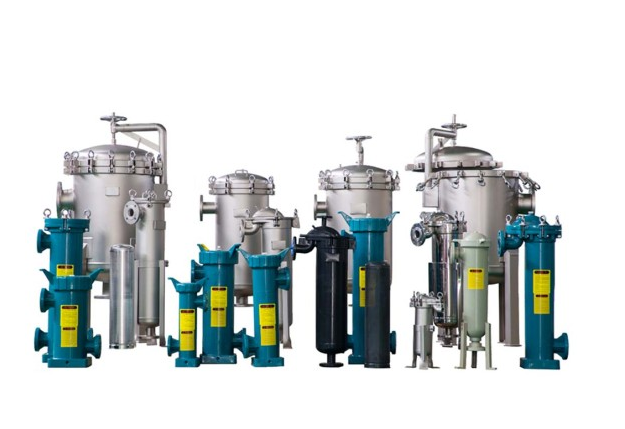
既存の淡水資源を節約し保護することに加えて、人々は自然に、より豊かな新しい水源を開拓する方法を考えるようになり、地球上の総水量の 97% を占める海水が自然と第一の選択肢になりました。 。 海水は塩分が多く苦いため、飲むことも使用することもできません。 作物の灌漑に海水を使用すると、すぐに塩漬けになって死んでしまいますし、ボイラーの燃焼に海水を使用すると、ボイラーの壁にスケールが形成され、熱伝達に影響を及ぼし、さらには爆発を引き起こす可能性があります。海水を使用する場合は、必ず海水フェード処理を行ってください。 人々はいくつかの海水淡水化方法を習得してきました。 1つは蒸留で、海水を加熱して蒸気にし、その蒸気を冷却して淡水にします。 1 回の蒸留では十分ではありませんが、複数回の蒸留は可能です。 蒸留の欠点は、より多くのエネルギーを消費することです。 産業廃熱、特に原子力発電所の高温廃熱を海水の加熱に利用すれば、燃料を節約でき、海水淡水化のコストも削減できます。 もう1つは逆浸透です。 多孔質構造を持った薄い「逆浸透膜」を核成分としており、加圧下では水のみを通し、膜外の塩分を遮断し、淡水と塩分を分離します。 逆浸透法は、分離効率が高く、エネルギー消費量が少ないだけでなく、設備も簡単であるため非常に普及しており、現在世界で最も広く使用されている海水淡水化技術となっています。 逆浸透法では、海水は塩分濃度が高く硬度が高く、機器を腐食させやすく、水温の季節変化により、逆浸透海水淡水化システムは従来の汽水淡水化システムよりもはるかに複雑になり、プロジェクト投資も増加します。は大きい。 エネルギー消費量も多くなります。 したがって、水単価を削減し、システムの安定稼働を確保するには、慎重なプロセス設計と合理的な機器構成を通じてプロジェクト投資とエネルギー消費を削減することが非常に重要です。 逆浸透膜法は応用範囲が広く、塩分除去率も高いため広く使用されています。 逆浸透膜法は、海水を取り出し、海水の濁度を下げ、細菌や藻類などの微生物の繁殖を防ぐ前処理を行った後、特殊な高圧ポンプを用いて海水を逆浸透膜に加圧します。 したがって、海水には塩分が多く含まれているため、海水逆浸透膜には高い脱塩性、耐食性、耐高圧性、耐汚染性などの特性が求められます。 逆浸透膜で処理された海水の塩分濃度は大幅に低下し、TDS含有量は36000mg/kgから約200mg/kgに上昇します。 淡水化後の水質は水道水よりも優れているため、産業、商業、住民、船舶、軍艦などに使用できます。
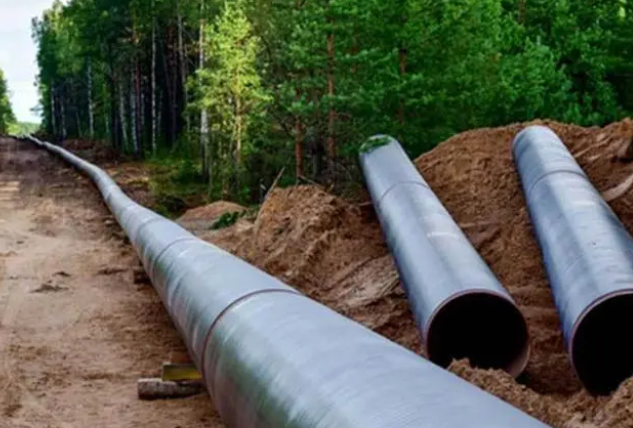
A leading Canadian energy transmission company recently embarked on a multibillion-dollar program that involved replacing more than a thousand miles of pipeline and installing or upgrading an entire pipeline of motors, pumps and valves needed to keep oil and gas flowing . This capital-intensive project is the largest of its kind in the company’s history. The company operates a complex infrastructure involving tens of thousands of miles of transmission pipelines that transport crude oil and other hydrocarbon liquids across the United States and Canada. It transports a significant portion of the crude oil produced in North America and the natural gas consumed in the United States. The project entails upgrading some of the aging infrastructure and adding the capacity needed to support steady growth in Canadian crude oil production. The reliability of any oil and gas pipeline is directly dependent on the reliability of the electrical connections that power the machinery that keeps the stock moving. To protect these critical assets and ensure reliable service, the company needed an electrical medium-voltage termination for the power cables connected to the motors, pumps and valves. It has to withstand harsh environmental conditions and operate worry-free for many years. Any failure would require costly and dangerous intervention. solution After reviewing competing products, including TE’s cold-applied termination that did not require a field-installed heat source, the company selected the G-APEX heat-shrink termination. haitan heat shrink terminations were determined to best meet the performance and reliability requirements to ensure that power cables are electrically and mechanically protected from common forms of failure that equipment may experience in the field. These include tracking, moisture ingress, extreme temperatures and exposure to hydrocarbons. The project ultimately involved the installation of 2,500 heat-shrink terminations in two sizes (8 kV and 15 kV) over an 18-month time span. Two separate tubes of protective polymer insulation need to be heat-shrunk onto the existing cable, and G-APEX heat-shrink products are manufactured as co-extruded two-layer products. The two-tier structure includes: • Zinc oxide inner layer helps minimize stress damage and provides maximum impact resistance • Coextruded outer layer made of non-tracking material to protect the cable from environmental factors such as chemicals, moisture, oxidation and UV radiation This two-tier construction allows the heat shrink termination to be installed as a unit, simplifying the field installation process. Once the bilayer tubing is heat-shrunk, the inner layer softens and anneals into an irregular surface, providing a moisture-tight seal and maximizing electrical stress control. Medium voltage terminations for shielded cables fully comply with IEEE-48 Type I termination requirements, providing long, trouble-free life.
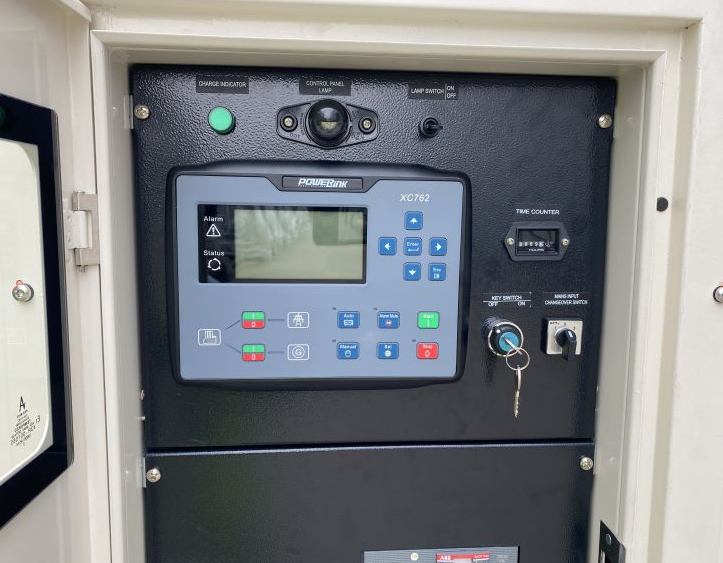
Do you know what the four-stroke in the four-stroke diesel generator set means? Diesel engine is the power source of machinery, and it is widely used in agricultural machinery, transportation machinery and construction machinery. Generally, four-stroke engines are reciprocating piston internal combustion engines. Generator set manufacturers mainly use diesel engines for diesel fuel. The four strokes of the four-stroke diesel generator set refer to: Inhalation, compression, work, and exhaust. Intake process: The machine adopts natural aspiration or turbocharged intake. Compression process: The process of increasing the temperature and pressure of the air in the cylinder to create good conditions for fuel combustion. Work process: the process of fuel combustion and gas expansion to perform work. Exhaust process: the process of exhausting exhaust gas from the cylinder. After the diesel engine piston goes through the above four continuous processes, it completes a working cycle. When the exhaust process is over, the crankshaft of the diesel engine still continues to rotate relying on the inertia of the flywheel rotation, and the above four processes are repeated, so that one work cycle after another is carried out. Make the diesel engine run continuously to drive the working machinery to do work.